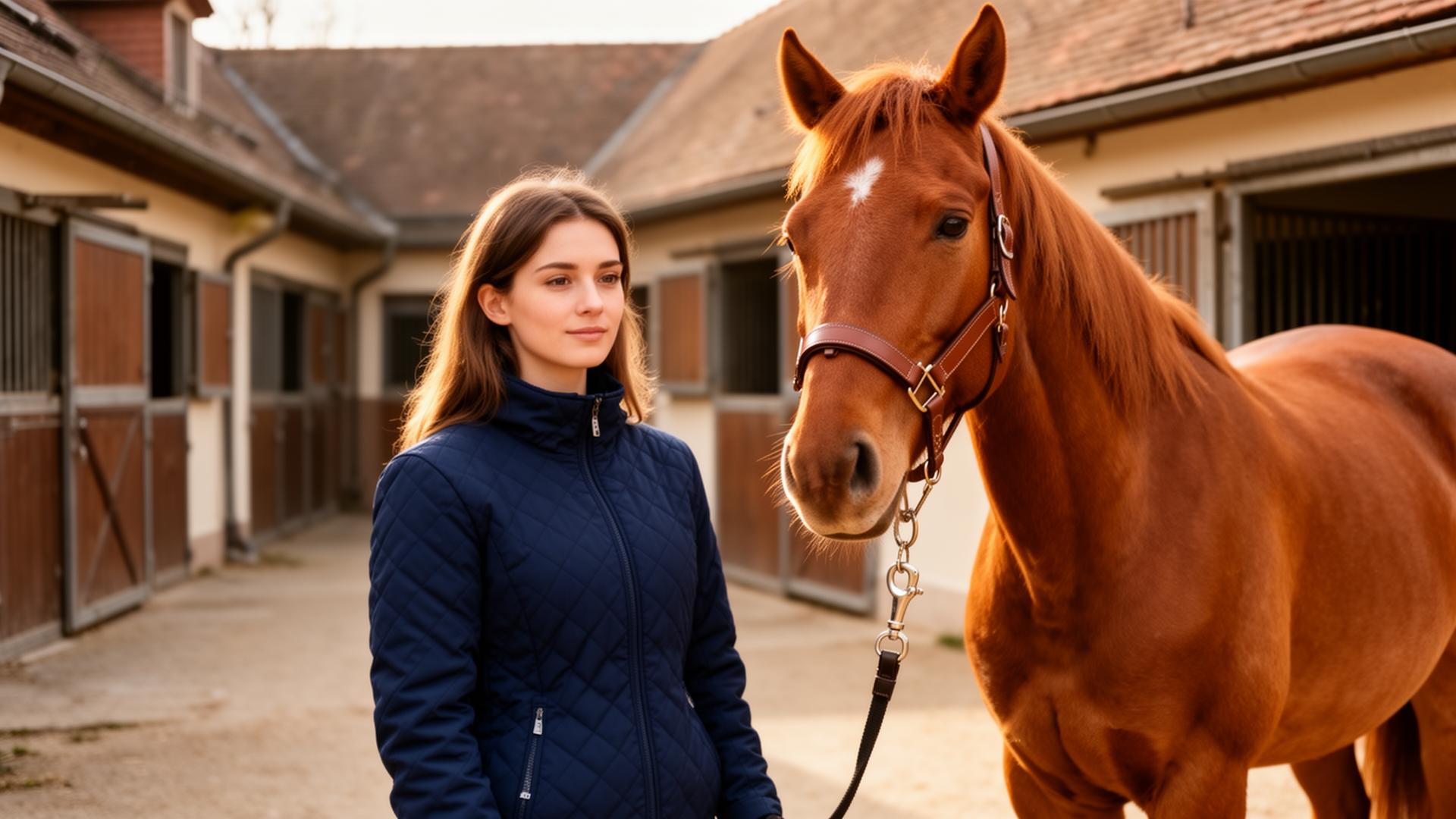
Buying a horse is one of the most personal — and most expensive — decisions in equestrian life. Get it right and you'll have a partner for a decade or more. Get it wrong and you'll spend the next two years either retraining, rehoming, or quietly funding a horse you can't ride. This is the practical version of how to do it well.
1. Before you shop: are you actually ready?
Most disappointing horse purchases aren't about the horse — they're about the rider being one level under what the horse needs. Before you open a single sales ad, answer three questions honestly: what discipline you genuinely ride (not aspire to), how often you'll ride per week, and what your monthly budget is once the horse is home.
If the answer to any of those is "I'm not sure," lease for six months first. Leasing is the cheapest education in horse ownership you'll ever buy.
2. The real budget (it's not just the purchase price)
The sticker price is usually the smallest line on the spreadsheet. A realistic monthly cost for a single horse — board, feed, farrier, routine vet, insurance, lesson budget — sits somewhere between modest and eye-watering depending on your region. We break the numbers down properly in our monthly cost guide.
3. Where to actually find horses for sale
Four channels do most of the work: word-of-mouth through your trainer, established breeders, professional sales barns, and online marketplaces. The first three give you provenance; the fourth gives you reach.
Online marketplaces have changed buying more in the last five years than in the previous fifty. A buyer in Texas can shortlist a hunter in Belgium over coffee. The risk profile is different — you can't ride the horse before you fly — but for experienced buyers working with a trusted agent at the other end, it's now standard.
From the ecosystem
Buy Horses Online is part of the Horse Lovers Connection family of sites. It's a global horse marketplace built for serious buyers — disciplines from dressage to ranch, sellers vetted, listings filterable by country, age, and level.
Browse horses for sale4. Building a shortlist that's actually short
Decide your non-negotiables before you scroll: height range, age range (most riders should buy between 7 and 14), discipline experience, and soundness history. Anything outside those filters is a distraction, not an opportunity.
Ask for a full video set up front: walk, trot, canter in both directions, plus whatever discipline-specific work matters (a small course, a basic test, ranch work). If a seller can't or won't film, move on.
5. The visit: ride it twice, watch it three times
On the day, ask to see the horse caught, groomed, tacked, and ridden by someone the horse knows — before you sit on it. You're looking for behaviour around the stable as much as performance under saddle. Then ride it yourself, do something slightly outside its comfort zone, and come back a second day if at all possible.
6. The pre-purchase exam is non-negotiable
Whatever you're spending, a pre-purchase exam is the cheapest insurance in the deal. Use a vet you hire, not the seller's. Standard exam plus targeted X-rays of whatever the discipline stresses (front feet for hunters, hocks for dressage) is the baseline. Read our pre-purchase exam guide before booking.
7. Get the contract in writing
Bill of sale, transfer of registration papers, vet records, microchip number, and a signed contract covering price, conditions, and any trial period. A handshake purchase is a future legal problem with hay attached.
Common mistakes first-time buyers make
- Buying the horse you fell in love with instead of the one you can ride.
- Skipping the PPE because the horse "feels great."
- Trusting video without an in-person ride (unless you're using a trusted agent).
- Buying young to "grow together." Most amateurs need a made horse.
- Underestimating monthly costs by half.
Frequently asked questions
What is the best age to buy a horse?
For most amateur riders, the sweet spot is between 7 and 14 years old. By 7, a horse is usually established in its training and personality. After 14, you have a few prime years left before management becomes more complex. Buying very young (under 5) is for experienced riders or those working with a professional.
How much should I spend on my first horse?
First horses don't need to be expensive — they need to be safe. A solid, well-schooled amateur horse typically costs $5,000–$25,000 in most markets, depending on age, training, and discipline. Spending more usually buys you breeding or competition record, not necessarily a better first horse.
Can I buy a horse without seeing it in person?
Yes, and many international purchases happen this way — but only with full video evaluation, an independent pre-purchase exam, and ideally a trusted agent or trainer who can ride the horse on your behalf. Buying sight-unseen from a stranger off a marketplace listing is high-risk and not recommended.
How long does it take to buy a horse?
From starting the search to signing papers, expect 1–6 months. Some buyers find the right horse in two weeks; others spend a year looking. Rushing the search is the most common cause of buyer's remorse — the right horse is worth waiting for.
More from Horse Lovers Connection: All articles · Guides · Equestrian brands
This article is general guidance for equestrians, not professional advice. Always consult a qualified vet, attorney, or trainer for decisions specific to your situation.